Enhance Your Well-being: The Remarkable Advantages of Consistent Massage at a Thai Spa
Thai massage presents substantial benefits that reach beyond just relaxation. This ancient practice integrates acupressure, yoga, and meditation to address both physical and mental health. Many individuals find that regular sessions not only alleviate tension but also enhance their overall well-being. The profound results may astonish those who integrate it into their health regimen. What precise benefits can one receive from this complete approach?
Understanding Thai Massage: An Ancient Restorative Art
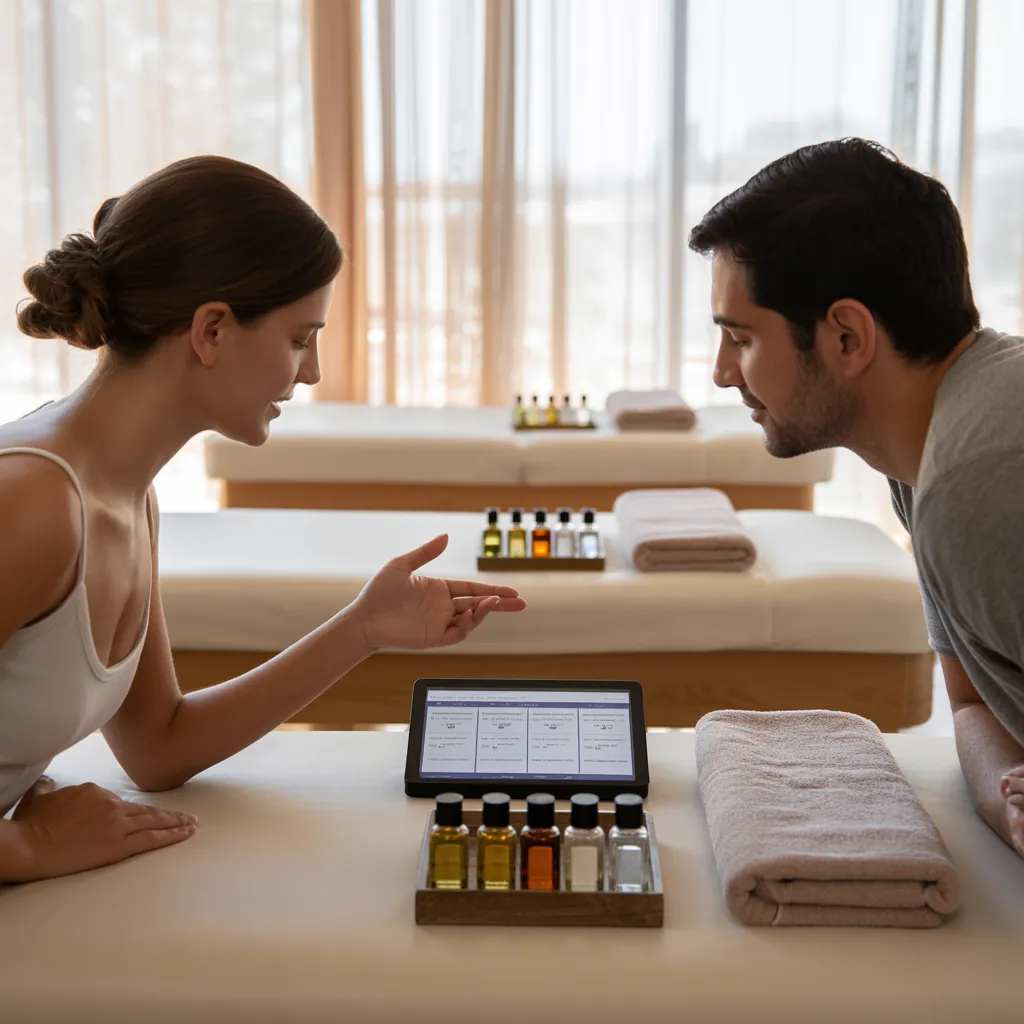
Thai massage, an age-old technique grounded in traditional healing methods, provides a unique blend of physical and spiritual rejuvenation. This therapeutic art form integrates elements of yoga, acupressure, and meditative practices, creating a holistic experience that transcends mere physical relaxation. Practitioners utilize a series of flowing motions, soft stretching techniques, and pressure delivered along energy lines, known as "Sen," to release tension and promote balance within the body. Unlike conventional massages, Thai massage is performed on a mat, allowing for greater freedom of movement and flexibility. The practitioner's body weight is often used to enhance the effectiveness of the techniques, providing deep muscle relaxation without the use of oils. Furthermore, the spiritual aspect encourages mindfulness and self-awareness, fostering a deeper connection between body and mind. This ancient practice not only addresses physical discomfort but also contributes to overall well-being, making it a revered choice for those seeking extensive health benefits.
Reducing Stress and Finding Relaxation: The Immediate Benefits
While many seek refuge from the stresses of daily life, regular massage at a Thai spa provides immediate relief and relaxation. The calming environment, coupled with skilled practitioners, creates an oasis where tension vanishes almost instantly. As clients rest on comfortable mats surrounded by peaceful aromas, the gentle yet firm techniques employed in Thai massage work to relieve stress that has accumulated over time.
The rhythmic movements and stretches promote a sense of serenity, permitting the mind to unwind and the body to eliminate pent-up tension. This direct effect is not merely physical; clients often report a elevated sense of mental clarity and emotional balance after their sessions. Furthermore, the deep relaxation reached during a massage can lead to improved sleep quality, making it more manageable to deal with daily challenges. In the end, regular visits to a Thai spa become an crucial practice for those seeking to improve their overall wellness and resilience against stress.
Increased Flexibility and Mobility
Consistent massage therapy at a Thai spa significantly improves flexibility and range of motion, notably through the integration of stretching techniques. Thai massage, defined by its remarkable blend of acupressure and assisted stretches, addresses specific muscle groups to foster greater elasticity. The therapist utilizes rhythmic movements and deep pressure, enabling the body to release tension and enhance overall mobility.
This integrated technique not only relieves stiffness but also promotes the alignment of the body's musculoskeletal structure. As clients experience enhanced flexibility, they often find everyday tasks more manageable, reducing the risk of injury.
Furthermore, consistent sessions support sustaining joint health, as the stretching involved in Thai massage maintains the joints functional and view resource lubricated. Over time, clients may experience an increase in their physical capacity, whether in sports or daily tasks, resulting in a more active and fulfilling lifestyle.

Enhanced Cardiovascular Circulation
Enhanced circulation and blood flow are important benefits of receiving regular massage at a Thai spa. This therapeutic practice utilizes techniques that stimulate the cardiovascular system, supporting the efficient flow of blood throughout the body. As the therapist applies pressure and kneads the muscles, the enhanced blood circulation aids in delivering essential nutrients and oxygen to tissues, boosting overall bodily function.
Furthermore, improved circulation facilitates the removal of toxins, which can build up in the muscles and contribute to discomfort or fatigue. Routine massage not only relieves muscle tension but also aids the body's natural healing processes. Clients often report feeling rejuvenated and revitalized after sessions, attributed to better blood flow.
In addition, improved circulation can play a critical role in reducing the risk of various health conditions, including hypertension and cardiovascular disease. Therefore, integrating regular Thai massage into your wellness routine can greatly contribute to overall health and vitality.
Mental Clarity and Emotional Balance
Consistent massage therapy at a Thai spa can significantly enhance mental clarity and emotional balance. By utilizing stress reduction techniques, individuals might find relief from daily pressures, encouraging a sharper mindset. Moreover, enhanced mindfulness practices during these sessions promote a stronger connection to one's emotions, leading to greater overall health.
Stress Relief Strategies
Thai spa massage functions as a potent tool for stress reduction, encouraging mental clarity and emotional balance. The therapeutic techniques utilized, including gentle stretching and precise pressure, assist in relieving tension in both the body and mind. This physical release promotes relaxation, permitting individuals to disconnect from daily stressors. As the mind becomes less cluttered, clarity emerges, allowing enhanced focus and decision-making. Moreover, the calming environment of a Thai spa, often complemented by soothing aromas and tranquil sounds, promotes emotional well-being. Regular visits can result in improved mood, reduced anxiety, and a greater sense of overall peace. Therefore, incorporating massage into one's routine can be a transformative practice for addressing stress effectively.
Improved Awareness Practices
Mindfulness practices nurture a significant sense of awareness, fostering mental clarity and emotional balance in individuals. Consistent massage treatments at a Thai spa support these practices by fostering relaxation and decreasing tension, helping the mind to focus and remain present. The gentle movements and soothing pressure of traditional Thai massage strengthen the body's connection to the mind, establishing a harmonious state ideal for mindful reflection.
As individuals engage with the peaceful atmosphere, they typically find heightened emotional stability, which supports managing stress levels and anxious feelings. This harmonious blend between massage therapy and mindfulness fosters deeper introspection, leading to better decision-making and emotional resilience. Eventually, this holistic approach fosters a balanced mindset, empowering individuals to navigate life's challenges with greater clarity and ease.
Strengthening the Immune System
Your immune system, an intricate network of cells and tissues, serves a vital function in safeguarding your body against disease. Regular massage at a Thai spa can considerably contribute to enhancing its function. The approaches utilized during these treatments foster relaxation, decreasing stress hormones like cortisol, which can diminish immune system responses.
By stimulating lymphatic circulation, massage aids in the removal of toxins and boosts the delivery of nutrients to cells, promoting a more robust immune system. Moreover, massage stimulates the production of antibodies and natural killer cells, both essential in fighting off infections.
The tranquil atmosphere of a Thai spa, paired with the therapeutic advantages of massage, establishes a comprehensive wellness strategy that enhances immune system function. As people adopt routine massage treatments into their self-care practices, they could become better positioned to combat sicknesses and sustain overall well-being.
Crafting a Complete Wellness Plan
Integrating routine massage at a Thai spa is only one aspect of a complete approach to wellness. A holistic wellness routine integrates physical, mental, and emotional well-being. To develop such a routine, individuals should consider merging different practices that address different aspects of health. This may include dietary adjustments, such as a balanced diet full of whole foods, alongside regular exercise customized to personal preferences.
Practices of mindfulness, like meditation or yoga, can enhance mental clarity and emotional resilience. Proper sleep is critical and should not be overlooked, as it significantly impacts overall health. Furthermore, regular visits to a Thai spa for massage can alleviate stress and boost circulation, establishing a synergy with other wellness practices. By integrating these elements together, one can develop a thorough lifestyle that fosters lasting health benefits, ultimately resulting in a more harmonious and fulfilling life.
Frequently Asked Questions
What Should I Wear for a Thai Massage Session?
Loose-fitting, comfortable attire is suggested for a Thai massage session. Clothing like yoga pants or soft shorts enables ease of movement, ensuring the recipient can fully benefit from the massage techniques employed.
How Long Does a Typical Thai Massage Last?
An average Thai massage session runs between 60 to 120 minutes. The duration can vary according to individual preferences and the specific techniques employed by the therapist, guaranteeing a personalized experience for each client.
Does Thai Massage Have Any Contraindications?
Specific health conditions could contraindicate Thai massage, including broken bones, severe osteoporosis, skin infections, or recent surgeries. Expectant mothers and those with cardiovascular problems should consult a healthcare professional before receiving this type of therapy.
Can Pregnant Women Receive Massage Therapy?
Yes, pregnant individuals can receive massages, but it is crucial to consult a healthcare provider first. Specific techniques and positions should be modified to guarantee safety and comfort for both the mother and the baby.
What's the Ideal Frequency for Scheduling Thai Massages?
For ideal benefits, scheduling Thai massages is recommended every two to four weeks. This frequency allows the body to fully integrate the therapeutic and relaxation benefits, promoting general wellness and decreasing tension progressively.